Text: Corinne Blatter | Photos: Werner Kratz, Maria Bäumer
From 4 to 6 September 2026, people affected by vascular malformations, their families and healthcare professionals met in Frankfurt am Main for AngioCon, hosted by the German Federal Association for Congenital Vascular Malformations (Bundesverband Angeborene Gefässfehlbildungen). The programme included medical lectures, workshops and discussion groups. It was a weekend that was not only professionally enriching but will be remembered above all for its warm atmosphere and intensive exchange.
Following the general meeting and board elections on Friday evening, Saturday began with a varied medical programme. The lectures examined vascular malformations from different specialist perspectives and addressed questions that concern those affected and their families.
Blood Clotting and Thrombosis
Dr Peter Klein-Weigel of Helios Klinikum Berlin-Buch spoke about thrombosis and clotting disorders in vascular anomalies. He explained why certain vascular malformations can be associated with an increased risk of clotting disorders and which aspects need to be considered in assessment and treatment. The discussion that followed showed how many individual questions this topic raises and how important it is for medical care to be tailored to each person’s situation.
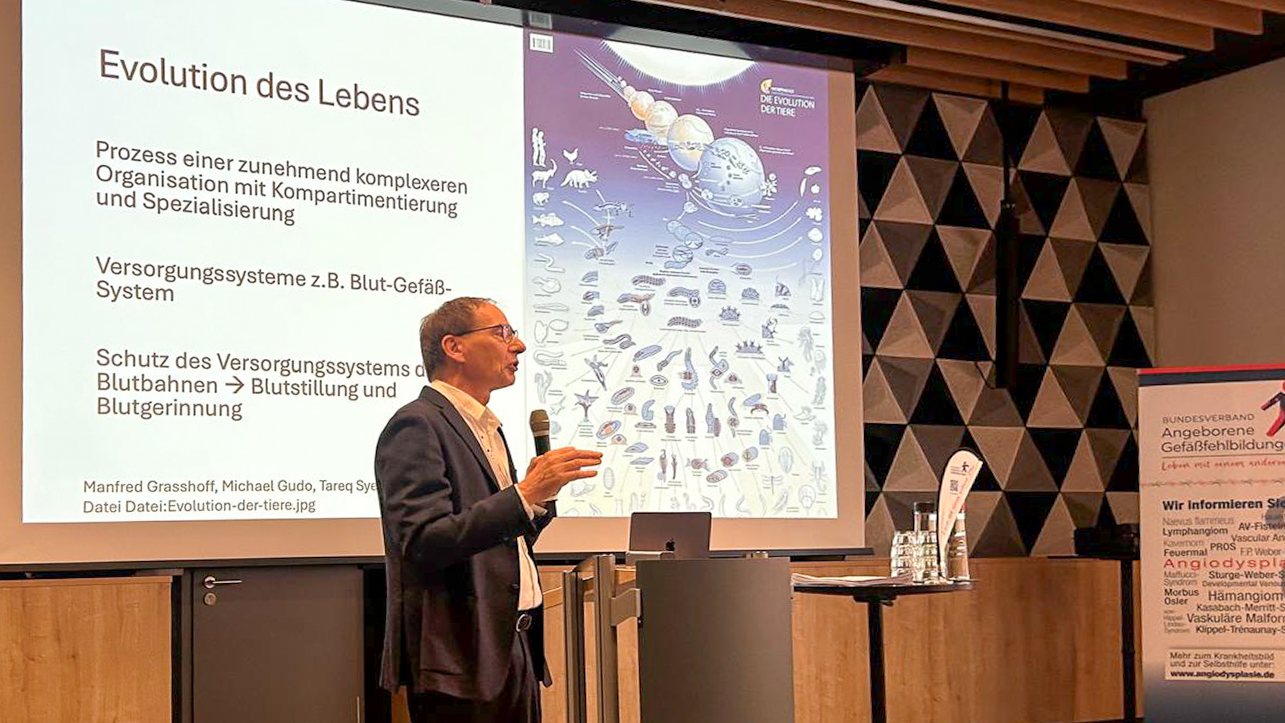
Paediatric Orthopaedics
Dr Dirk Kehrwald of Klinikum St. Marien Amberg addressed the orthopaedic challenges associated with vascular anomalies. Leg length discrepancies, overgrowth of individual parts of the body, changes to the spine and joint problems can have a considerable impact on the everyday lives of affected children. The lecture gave an insight into possible treatment options and highlighted the importance of individual care.
Research in Halle
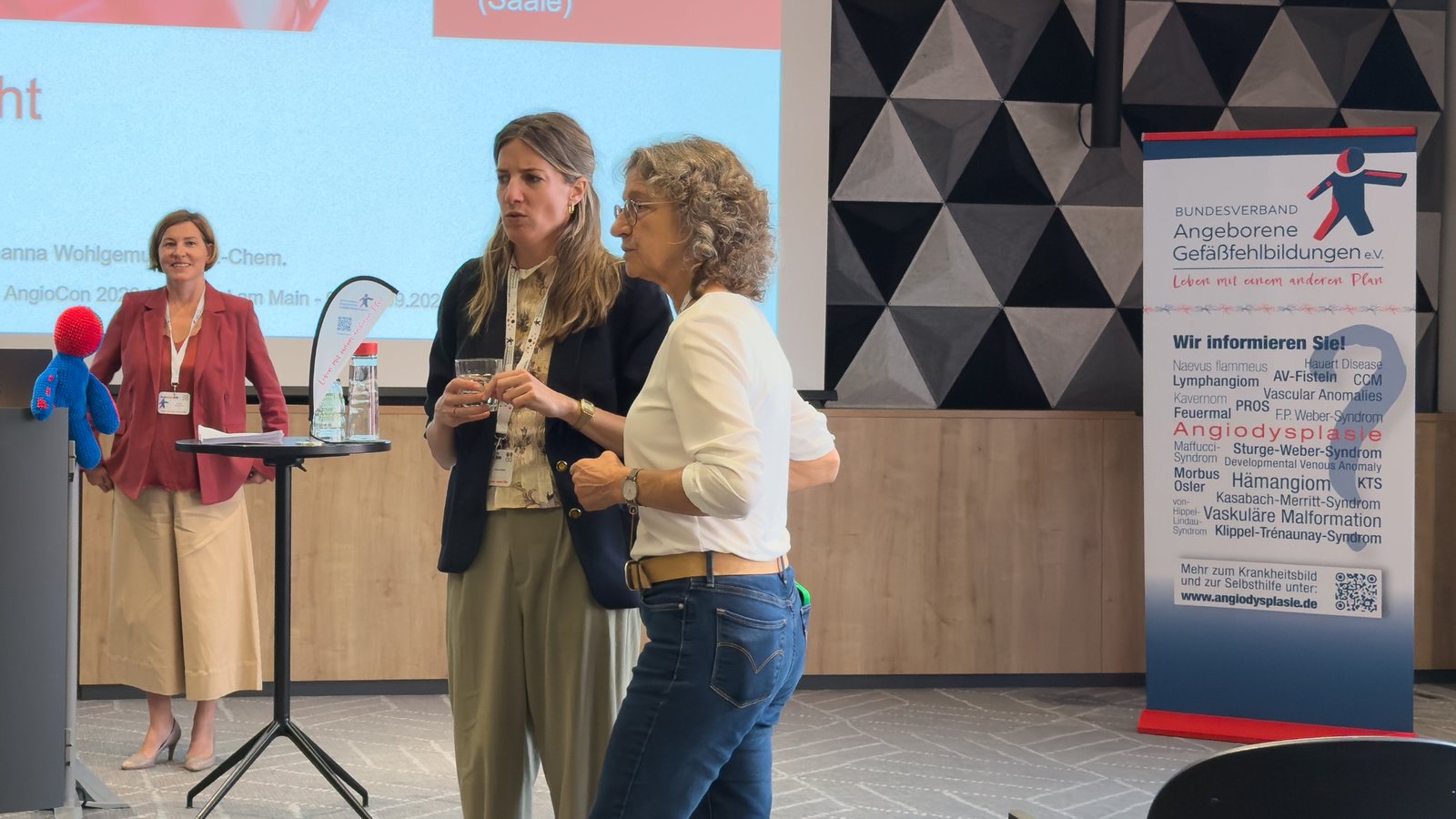
After the coffee break, Zhanna Wohlgemuth, a chemist (Dipl.-Chem.) at Halle University Hospital, gave an insight into the research on vascular malformations being carried out there. Her lecture made clear how important scientific work is for better understanding rare diseases and gaining new insights.
Cavernomas
The medical morning concluded with a lecture by PD Dr Laurèl Rauschenbach, neurosurgeon at Essen University Hospital. He focused on cavernomas of the brain and spinal cord and on how they can be understood, detected and treated.
The various contributions showed how diverse the medical questions surrounding vascular malformations are and how important exchange between different specialties is.
Something for Everyone
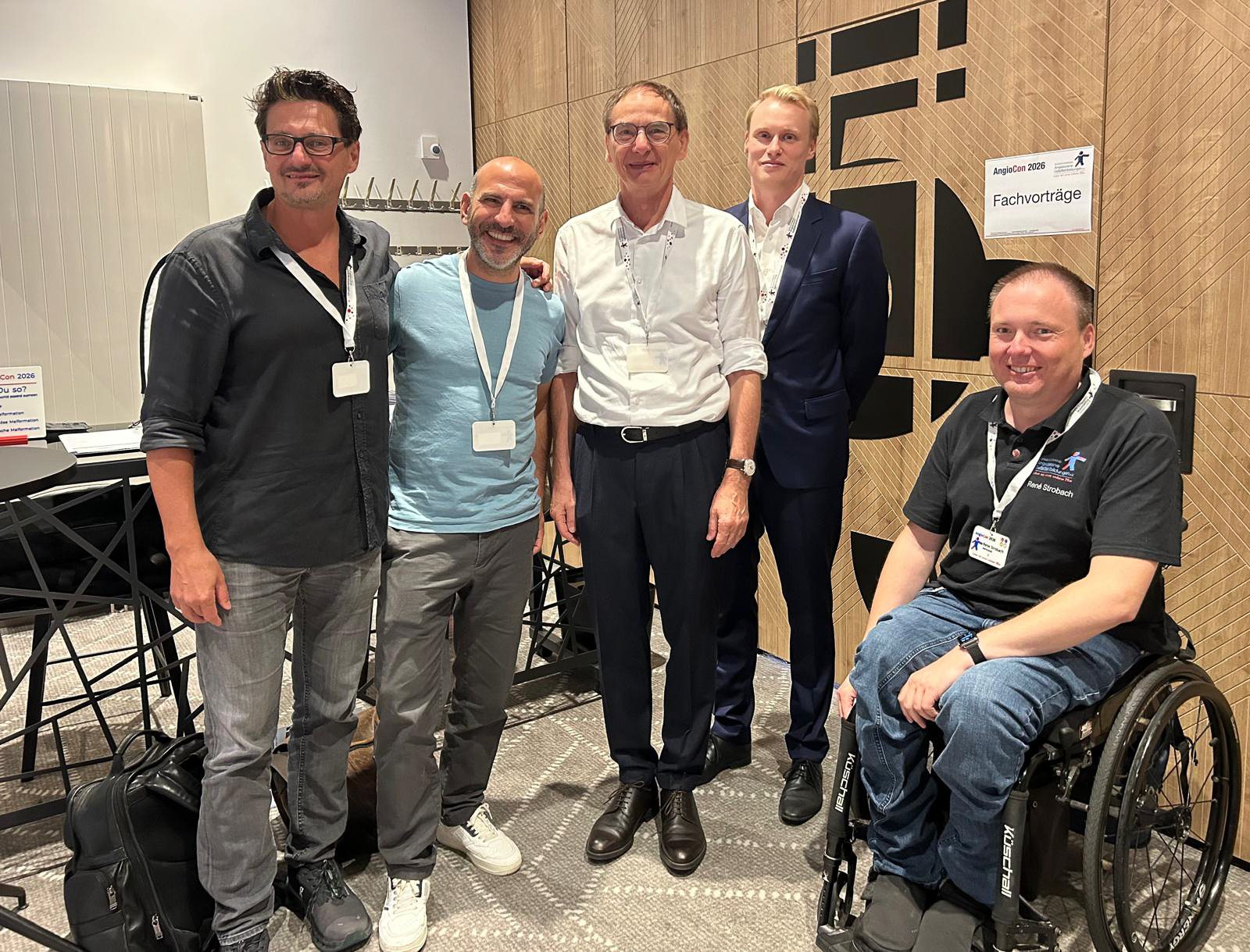
In the afternoon, the focus shifted to personal experiences and challenges. The workshops covered topics such as lymphatic drainage and compression therapy, inner strength in challenging times and how best to ‘budget’ one’s energy, and also offered the opportunity to discuss individual questions directly with a professional. In the latter, participants talked about how people with a rare disease can better pace their limited energy and consciously create islands for recharging. The discussions were not only thoughtful and encouraging – there was laughter too, for instance over the question of getting help with the cleaning. Organising support is rarely easy, but it can make a decisive difference in lightening the load.
Time for One Another
Once again, it became clear what always makes the gatherings of the Bundesverband Angeborene Gefässfehlbildungen so special: the pleasant, open and warm atmosphere created by the board could be felt throughout both days. Many participants met again, new connections were made and there was a great appetite for exchange.
After dinner together, a guided tour took participants through Frankfurt. Afterwards, people sat together for a long time, playing games, laughing and continuing their conversations. It was precisely these hours away from the official programme that showed how valuable it is to meet people who understand so much from their own experience.
After a leisurely breakfast on Sunday, Ronja Pfleiderer of DiGGefa presented the new S3 guideline on congenital vascular malformations and its significance for those affected. A subsequent ideas workshop provided space for wishes, feedback and fresh impetus for the association’s work.
When Encounters Become Commitment
Our friends at the German association were facing painful changes at this time: board member Angelika Hoffmann had passed away shortly before. In addition, Claudia Köster and Maria Bäumer, long-standing board members and co-founders of the association, stepped down from their positions. In this difficult situation, several new people immediately came forward and were elected to the board in order to take on responsibility and continue the work.
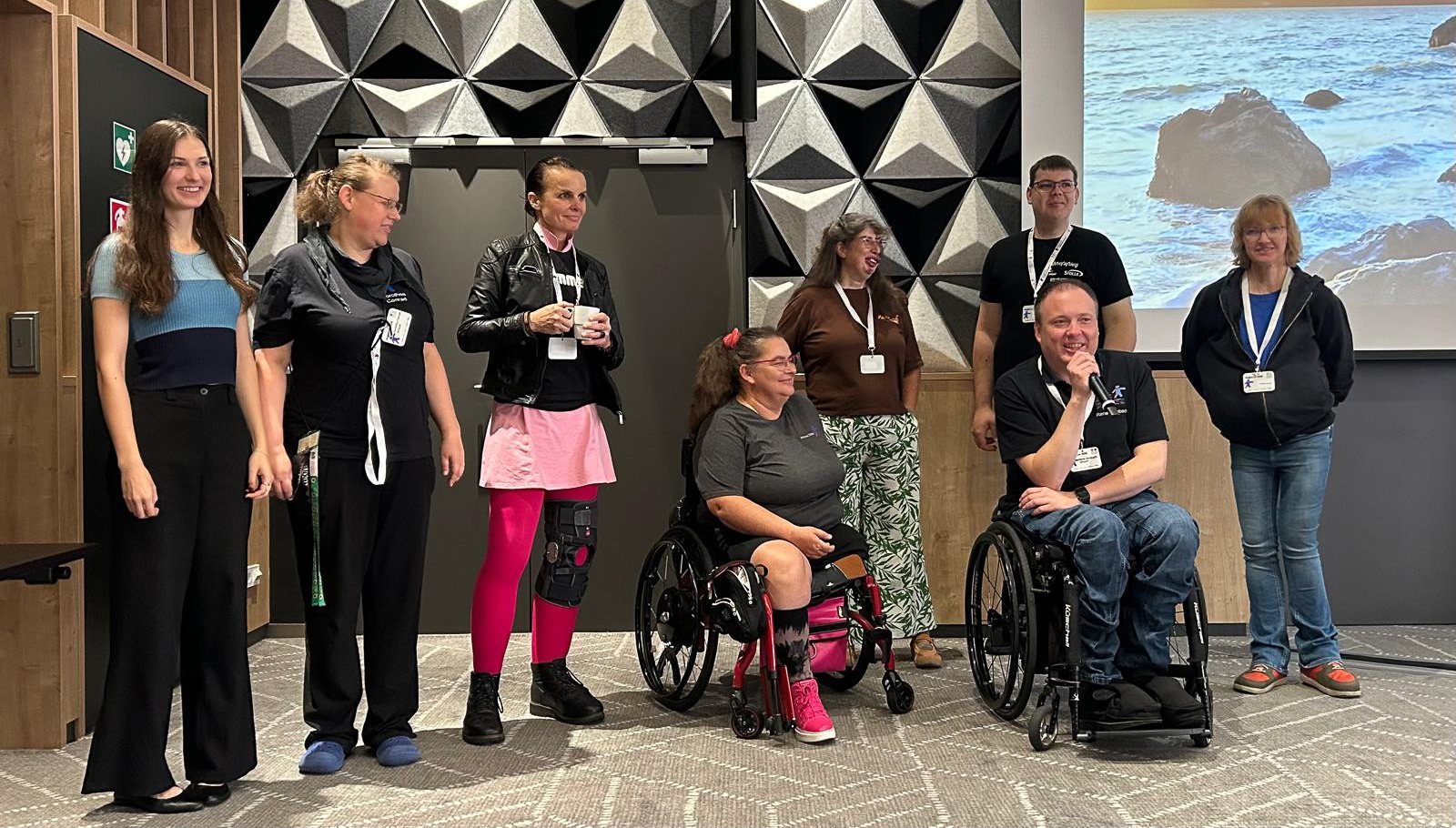
This willingness moved us deeply. It is anything but a given: anyone living with a rare disease or caring for an affected child often already has to expend a great deal of energy in everyday life. Volunteering for others on top of that takes time and strength. It was all the more encouraging for us to see people standing together and jointly shaping the future of their community.
The people are there. They want to connect, support one another and get involved.
As the Swiss Angiodysplasia Association, we are taking home from Frankfurt not only professional insights but also many valuable encounters and new ideas. AngioCon showed how important it is to combine medical knowledge with personal exchange. Because sometimes what is needed is not only answers to medical questions, but also people who understand.
A heartfelt thank you to the German Federal Association, the organising team, the speakers and all participants for this special weekend – a weekend that resonated long afterwards.